With a small budget, you can start cycling in 2026 just fine, as long as your money goes to the right places. A suitable bike, good tyres, a safe helmet and basic maintenance together deliver 80% of riding fun. The rest 20% is fun, but can wait. Here are ten concrete tips for getting started smartly and affordably.
1. Buy second-hand, but with a checklist
The second-hand market is the quickest route to a decent bike for little money. Used bikes often offer the same performance as new models, for 40 to 60% off the original recommended retail price. Marketplace, Facebook Marketplace and local bike shops with refurbished offerings are good starting points.
But a mis-sale will actually cost you more. Therefore, always check:
- Frame: look for cracks, dents or ripples at welds and the bottom bracket
- Drive: if the teeth of chainrings and cassette are “shark-tooth-shaped” (pointed), the wear is considerable
- Wheels: spin them around and see if they sway or bump; for rim brakes, check if the braking surface is hollow worn. Is there any play on the wheels? Then don't.
- Serial number: request the frame number and check that the bike is not registered as stolen (e.g. via stopheling.co.uk)
- Size: A bike that doesn't fit, you don't ride. That's not a bargain, that's wasted money
Do you feel play in the handlebars or bottom bracket? Do you hear ticking? Walk away.
2. Consider Decathlon as a “new with warranty” route
If you prefer to buy new, then Decathlon one of the best value for money on the market. Private brands such as Triban (road bike) and VanRysel (premium road bike) are regularly cited as a benchmark for budget bikes.
The Triban RC 500 combines Shimano components, disc brakes and a carbon fork at a similar price. Both bikes offer warranty and easily replaceable parts.
Even if you go mountain biking, you can use the Rockrider brand very quickly buy a nice bike for relatively little.
3. Choose a hybrid for versatility
For your first bike, a hybrid bike is often more economical than a dedicated road or mountain bike. You get the upright, comfortable geometry of a mountain bike combined with faster-rolling wheels. Models like the Giant Escape 3 or Liv Alight 3 are reliable options among the €500 For both commuting and recreational riding.
Additional advantage: entry-level hybrids often use simpler components (V-brakes, eight-speed) that are cheaper to replace and easier to adjust.
Another option is to go for a gravel bike. These are a bit more robust, less ‘racey’ and you can easily upgrade them to a road bike with a second wheelset!
4. Start with flat pedals
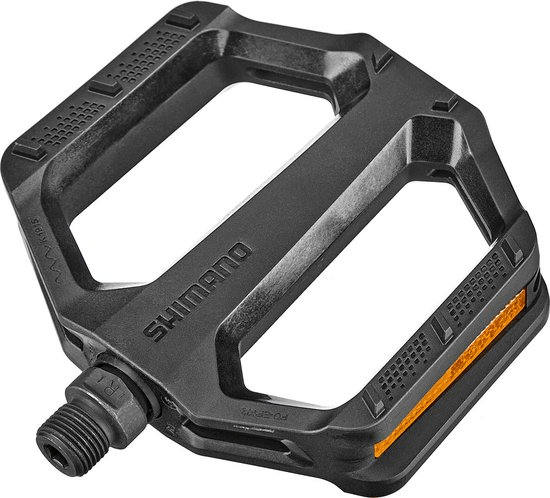
Click pedals, but not your first edition. Good flat pedals save you directly the €100+ that you would otherwise spend on entry-level cycling shoes and cleats. You just use the trainers you already have.
Moreover, research shows that the power difference between flat pedals and clipless is minimal for non-competitive cyclists. The claim that you “pull up” in the pedal stroke is often overestimated. And in traffic, flat pedals allow you to take your foot right off the pedal.
5. Helmet: buy new, choose smartly
No, a second-hand helmet is not a smart deal. You cannot verify the impact history and the EPS foam loses protection capacity after one hit or due to ageing. Always buy new.
The good news: a higher price mainly pays for lighter weight and better ventilation, not necessarily for better protection. All bicycle helmets sold in Europe must comply with the EN 1078-standard. Independent tests of Virginia Tech show that budget helmets sometimes score better than models three times the price. This WITH helmet will make you more than happy.
6. Accessories: buy only what you really need
Clicking a complete kit together can be done later. Before getting started, four things are essential:
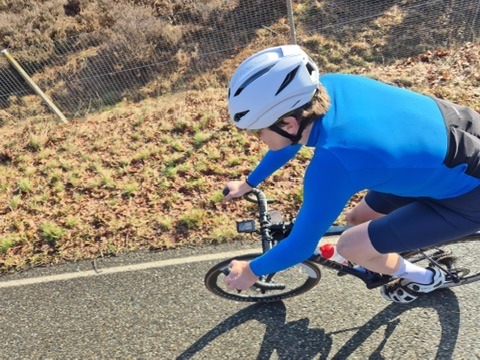
- Helmet: safety is non-negotiable
- Lighting: For the edges of the day:: USB rechargeable sets, also usable during the day for visibility
- Conclusion: if your bike cannot be inside, but has to wait outside -> spend about 10% of the bike value on a decent D-lock or chain lock
- Pump and adhesive kit: a floor pump for home and a saddle bag with spare tyre, tyre levers and a multi-tool avoid expensive workshop visits for simple punctures
The rest, from bike computers to water bottles and frame bag, can be done later.
7. Put on what you already have
There is no obligation to ride in lycra. Regular sportswear made of synthetic material (polyester) wicks away moisture just fine. Combined with flat pedals and your own trainers, you don't need a cycling-specific wardrobe. The only thing we do really recommend is a chamois in your shorts. Rather not buy bibshorts (one of those lycra shorts with a chamois inside)?
Try a liner short: a padded pair of pants that you wear under regular shorts. That offers the comfort of a chamois without the cost of a full bibshort. Note: you're going to need those bibshorts at some point at longer distances. Trust us, we've been there.
8. Tyres: the most underrated upgrade
A good tyre is a better first investment than a new gear group. Proper tyre pressure (look on the side of the tyre) lowers rolling resistance and prevents “snakebite” punctures.
Wider tyres (28-32 mm on a road bike, 35-42 mm on a hybrid) offer more comfort without sacrificing much speed. And a puncture-resistant tyre will save you frustration and tube costs over an entire season.
9. Learn to do basic maintenance yourself
Workshop labour costs add up quickly. Fortunately, most common jobs are easy to do at home:
- Tyre sticking or changing: cost DIY approx. €5 (inner tube) vs. €20+ in the workshop
- Adjusting brakes: with standard tools, at no cost. Only bleeding disc brakes, though, is really a job for the pro
- Drive cleaning: a bottle of degreaser costs about €15 and a good greaser (oil or wax) is between €10 and €15 a bottle
- Gear adjustment: with an Allen spanner and patience. Use a youtube video for that.
Leave more complex tasks like headstock replacement, bottom bracket, bearing replacement etc to a professional.
10. The free watt: chain lube and tyre pressure
The two cheapest “upgrades” cost almost nothing. A clean, lubricated chain significantly extends the life of cassette and chainrings. A bottle of chain oil costs €10 and can save you dozens of euros in premature wear and tear.
And checking tyre pressure before every ride is completely free. Tyres that are too soft cost you energy with every pedal stroke and often increase the risk of punctures.
Starter package in a row
To keep things clear, an indication of what you'll lose on top of the bike:
- €0-€100: helmet, basic lighting, puncture kit
- €100-€250: Better lock, decent tyres, floor pump, multi-tool
- €250-€500: entry-level bike new (Decathlon) or major service second-hand
The gist is simple: a suitable bike, good tyres, a safe helmet and a clean chain. The rest comes naturally as the kilometres grow.