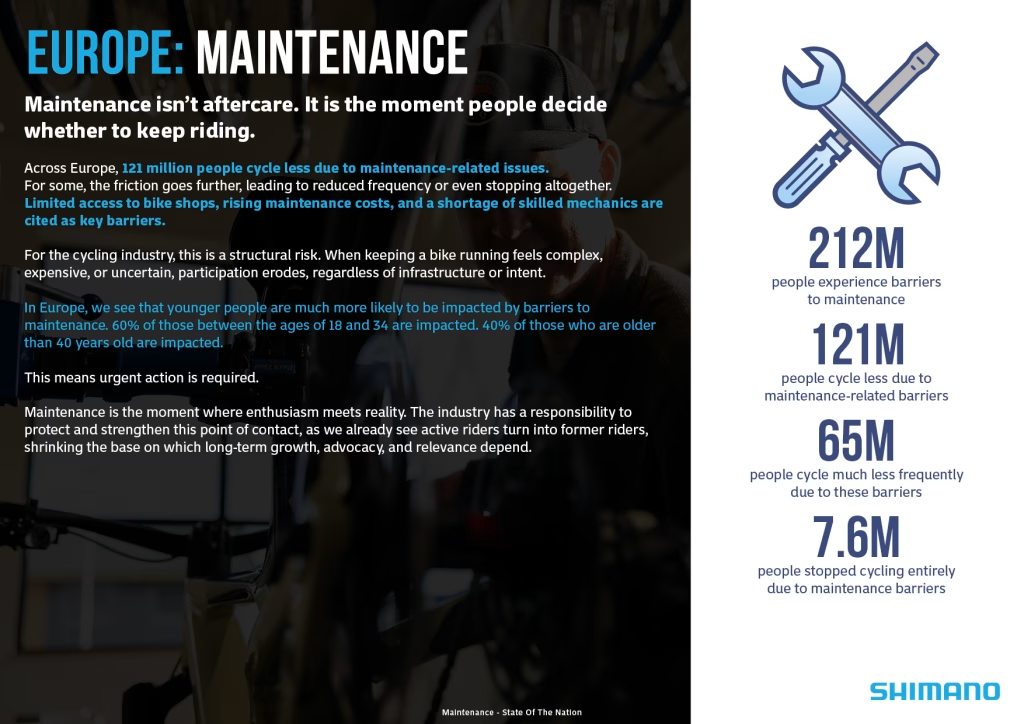
Shimano published on 4 February the State of the Nation 2026report, a large-scale survey of 25,000 Europeans in 25 countries. The fourth edition of the annual report reveals that 121 million Europeans have decreased cycling due to problems with access to maintenance and repair. In the Netherlands, the child safety perception falls by 22.7%, which the report largely attributes to the rise of fast fatbikes on the bike path.
The maintenance gap in figures
A total of 212 million Europeans experience some form of obstacle in maintaining their bicycle. The consequences are concrete: more than one in five respondents switched to other transport, and 16.4% stopped cycling altogether.
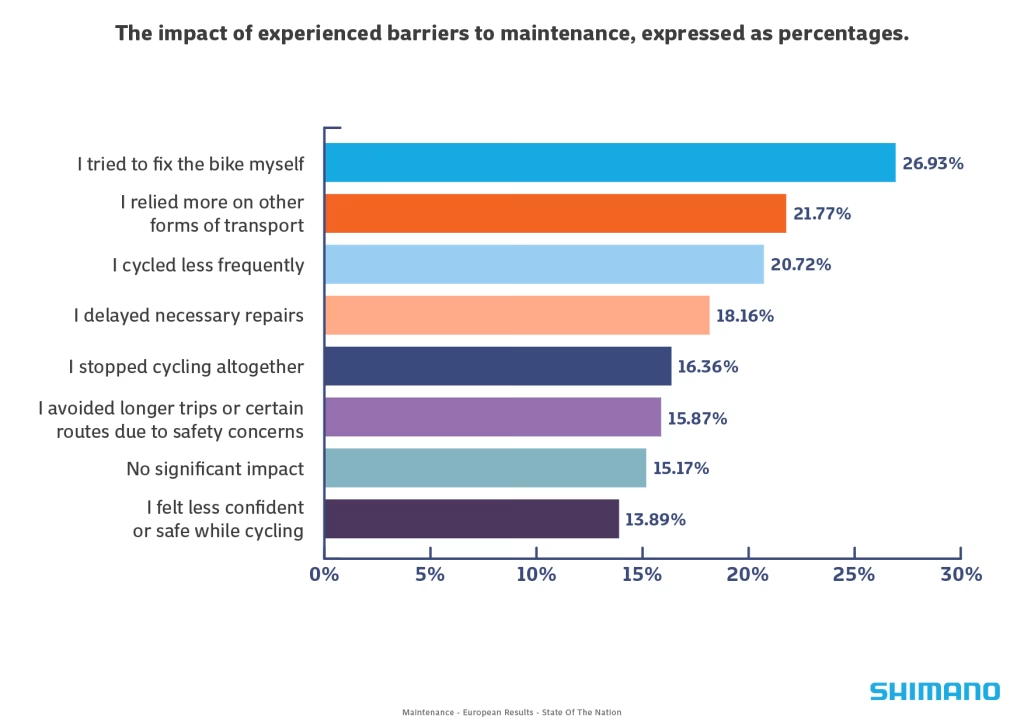
Key barriers according to the report:
- Cost: 20.3% cites expensive repairs as the main reason for cycling less.
- Availability: 15.3% lacks a local bike shop or encounters inconvenient opening hours.
- Waiting times: 11.8% is annoyed by long lead times at the workshop.
- Tinkering yourself: 26.9% is trying to solve the maintenance itself to circumvent these obstacles.
The 18- to 24-year-old group experiences the most disruption. This age group is the quickest to drop out when a rembleeding €60 costs and the workshop is full for three weeks.
The Netherlands and infrastructure experience
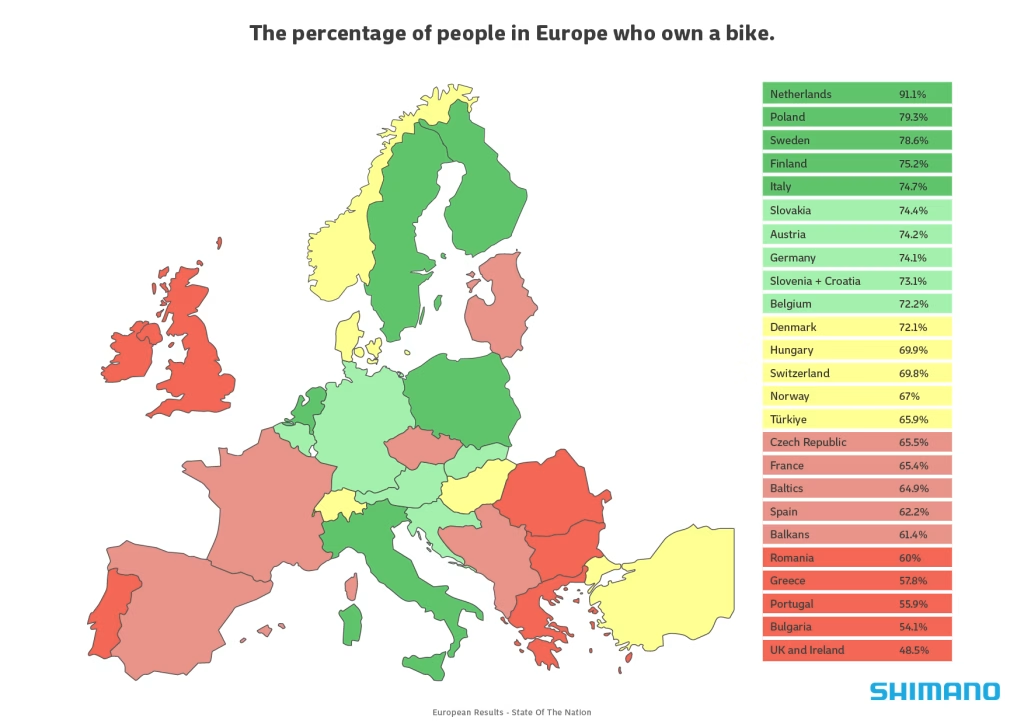
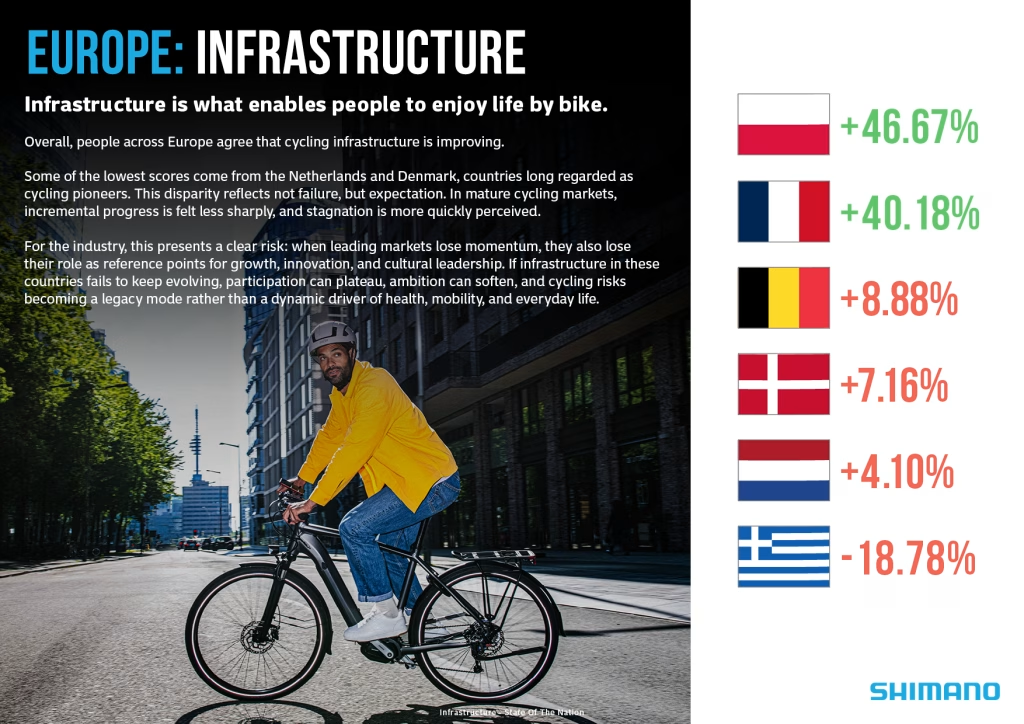
Despite having the highest bicycle ownership rates in Europe, the Netherlands, along with Belgium and Denmark, scores in the bottom seven countries for perceived infrastructure improvement. Countries with less developed networks, such as Spain (44% improvement) and the UK (47%), actually report substantial progress.
These figures suggest that respondents in the Netherlands are relatively critical of improvements, possibly because the starting level was already high. That the Netherlands has the lowest difference between “once had a bicycle” and “now own a bicycle” (only 8.6%) shows that many people who once had a bicycle still have one now. The report contains no data on how this might develop in the future.
Kids, fatbikes and a busy bike path
Only 24% of Dutch respondents think cycling for children has become safer over the past year. The net decrease of 22.7% is the second largest in all of Europe after Greece. The report points to the changing traffic mix on Dutch cycle paths: heavy fatbikes, fast e-bikes and scooters are increasingly sharing the same space as schoolchildren.
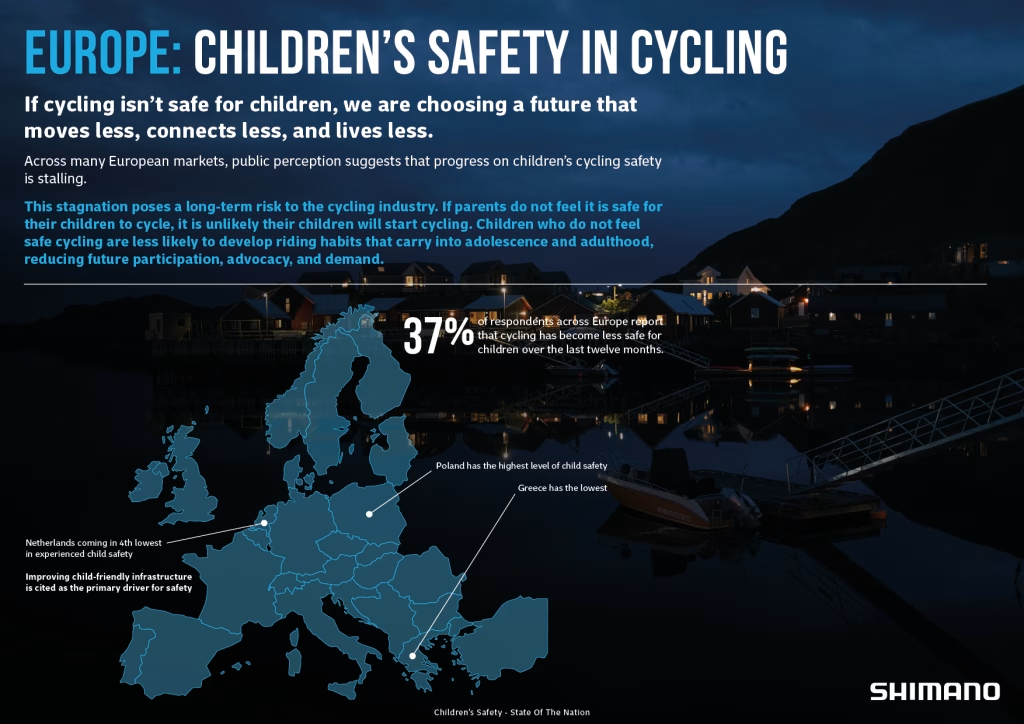
By comparison, in Poland the perception of safety increased by 41%, in the UK by 7.3%, there partly thanks to segregated lanes and car-free neighbourhoods.
The report does not address the potential impact of this on Dutch cycling culture in the longer term.
What the report does and does not say
Ties van Dijk, advocacy specialist at Shimano Europe and research leader, calls the findings a “wake-up call”. According to Van Dijk, physical infrastructure alone is not enough: “If maintenance remains complex and expensive, and the next generation feels unsafe on the roads, we risk shrinking participation at the very time when society needs active, sustainable mobility.”
The report was prepared by Shimano, which, as a component manufacturer, earns from sales, service and maintenance. That role of principal is relevant in interpreting the results.
The full report is available at bike.shimano.com.